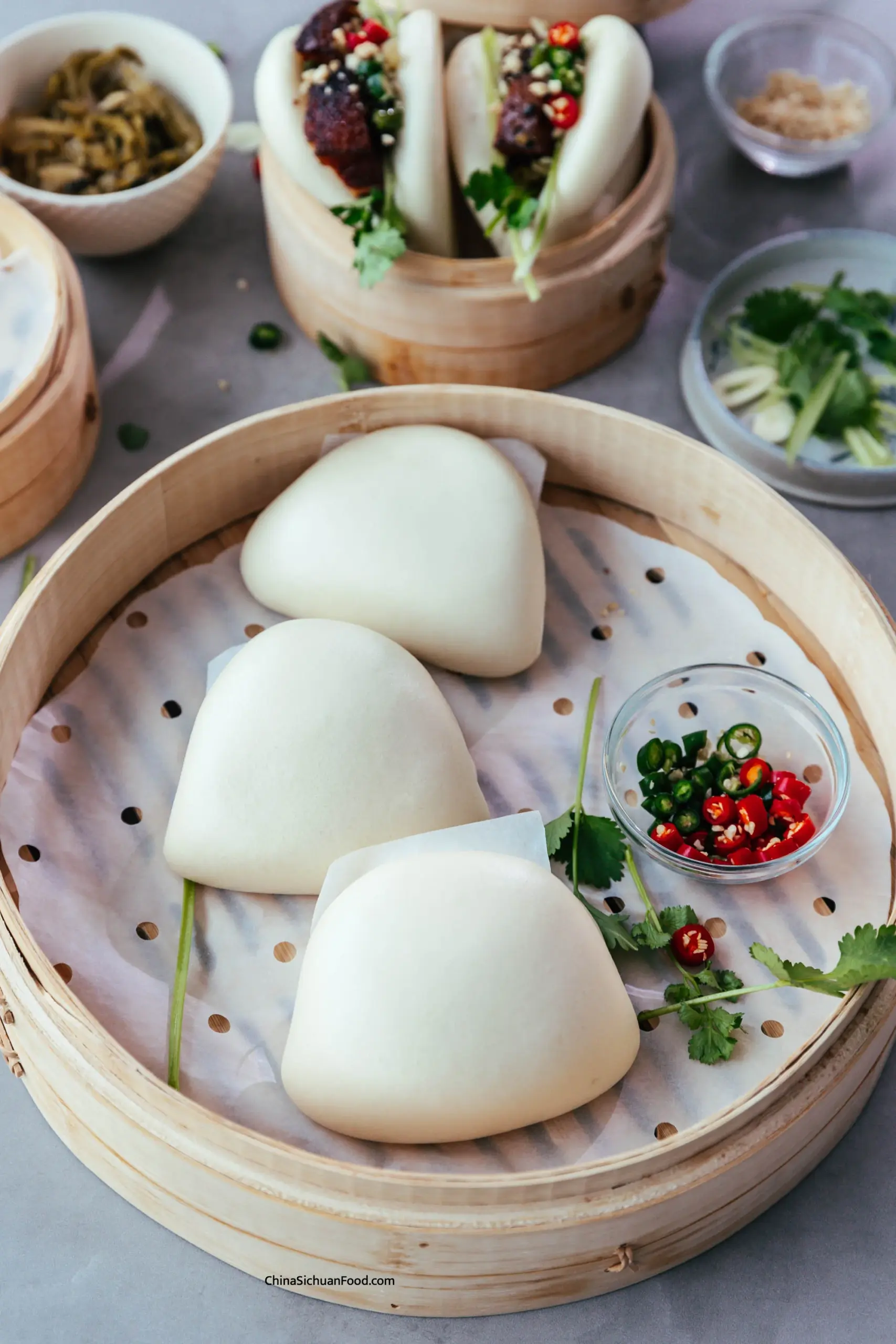
Master Pillow-Soft Bao Buns: Your Foolproof Guide to Steamed Perfection
There's an undeniable magic to bao buns. These ethereal, cloud-like steamed pockets, often bursting with savory or sweet fillings, have transcended their Asian origins to become a global culinary sensation. From bustling street markets in Taipei to high-end eateries in London, the appeal of a perfectly crafted bao bun is universal. If you've ever dreamt of recreating that exquisite pillow-soft texture and vibrant flavor at home, you're in the right place. This comprehensive guide will equip you with a foolproof method to achieve flawless, smooth, and utterly delicious homemade bao buns, making them a special occasion any day of the week.
The Allure of Bao Buns: A Culinary Journey
The journey of the bao bun is as rich and layered as its dough. While many associate the modern iteration with Taiwan, where the famous Gua Bao (red braised pork belly tucked into a clam-shaped bun) reigns supreme, these steamed delights have a much broader history. In mainland China, similar steamed buns, sometimes referred to as "lotus leaf hamburgers" due to their folded shape and resemblance to a burger bun, have been a beloved staple for centuries. Shanxi cuisine, for instance, boasts its own ancient versions. This historical evolution highlights the versatility and enduring appeal of the bao bun, adapting to local tastes while maintaining its core identity as a comforting, handheld meal.
What makes bao buns so captivating? It's the delightful contrast: the tender, slightly sweet dough yielding to a richly flavored filling. The experience is both satisfying and incredibly comforting, evoking memories of shared meals and culinary adventure. While once a rare find outside of Asian communities, their meteoric rise in popularity means they are now enjoyed across continents, often inspiring new, fusion-style fillings that push traditional boundaries.
Demystifying the Dough: Ingredients for Perfection
Creating that signature pillow-soft texture starts with understanding the role of each ingredient. Our foolproof method streamlines the process, proving that homemade bao buns don't have to be labor-intensive or intimidating. Here's a closer look at the key players:
- All-Purpose Flour: This is your primary building block. For an even lighter, fluffier texture that truly melts in your mouth, consider substituting up to 1/3 of the all-purpose flour with cake flour. This subtle tweak can make a significant difference in the final crumb.
- Yeast: The magical leavening agent. Yeast produces carbon dioxide bubbles during fermentation, giving the bao buns their characteristic airy and soft structure. Ensure your yeast is fresh and active for optimal results.
- Cold Water: This might seem counterintuitive, but cold or chilled water (especially if your kitchen is warm, above 28°C/82°F) is crucial. It slows down the yeast's activity, preventing the dough from over-proofing too quickly before you've had a chance to shape the buns. This controlled fermentation contributes to a wonderfully smooth and blemish-free surface on your final steamed buns.
- Oil: Acting as a tenderizer and moisturizer, oil adds richness and prevents the dough from drying out. While classic Chinese methods often use lard for its distinctive flavor, butter or any neutral vegetable cooking oil works perfectly. Choose an oil that complements your intended filling.
- Sugar: Don't worry, your bao buns won't taste sweet! The small amount of sugar added serves a vital purpose: it feeds the yeast, boosting its activity and leading to a more robust rise. This results in an even fluffier, more tender bao bun without altering its savory profile.
Your Foolproof Bao Bun Method: Step-by-Step
The beauty of our method lies in its simplicity: a single proofing and minimal kneading. This makes the process much more approachable for home cooks. For an even easier experience, a stand mixer is highly recommended – it saves time and energy, and crucially, prevents the warmth from your hands from prematurely affecting the dough temperature.
Preparing the Dough
- Activate the Yeast: In a mixing bowl (or stand mixer bowl), combine your yeast and sugar with the cold water. Stir gently and let it sit for a few minutes until the yeast fully dissolves and starts to become slightly frothy – a sign it's active.
- Combine & Knead (Initial): Pour the yeast mixture into your flour. Using a stand mixer with a dough hook, begin kneading on low speed for about 1 minute until the ingredients just come together into a shaggy dough. If kneading by hand, mix with a spatula until combined.
- Incorporate Oil & Knead (Final): Add your chosen vegetable cooking oil to the dough. Continue kneading with the stand mixer on medium-low speed for approximately 10 minutes. If kneading by hand, this will take about 15-20 minutes of consistent effort. The goal is a smooth, elastic dough that is no longer sticky. The single-proofing method significantly reduces the total time required!
Shaping Your Bao Buns
Once your dough is perfectly kneaded, it's time to transform it into those iconic folded shapes:
- Portion the Dough: Lightly dust your work surface with a small amount of flour. Shape the dough into a uniform log and divide it into 6 equal portions. For consistent results, you can weigh each piece.
- Smooth & Roll: Take each small dough portion and knead it individually for a couple of minutes until it is incredibly smooth and round. This extra kneading at this stage helps create that perfect, blemish-free surface.
- Form the Wrapper: Using a rolling pin, roll each smooth dough ball into an oval shape, roughly 4-5 inches long and 3 inches wide. Aim for an even thickness.
- Fold & Prepare for Filling: Place a small piece of parchment paper (about 2x3 inches) in the middle of the oval. Fold one half of the dough over the parchment paper to meet the other side, forming a half-oval shape. The parchment paper acts as a barrier, preventing the bun from sticking together when steaming and allowing you to easily open it to add fillings later.
- Repeat: Continue this process until all 6 bao buns are shaped.
Beyond the Basics: Filling Your Bao Buns
Once you've mastered the art of the perfect bao bun wrapper, the culinary world is your oyster. The beauty of these versatile steamed buns is their ability to host an astonishing array of fillings, from the classic to the contemporary. This is where your creativity truly shines!
- Savory Classics:
- Red Braised Pork Belly (Gua Bao): The quintessential Taiwanese filling. Slow-cooked pork belly, rich with soy sauce, star anise, and five-spice, offers an incredible melt-in-your-mouth experience.
- BBQ Char Siu Pork: Sweet, sticky, and savory Cantonese-style BBQ pork, often finely diced.
- Spicy Chicken/Pork: Stir-fried minced chicken or pork seasoned with chili, ginger, garlic, and soy sauce.
- Vegetarian Delights: Braised mushrooms, tofu, or a medley of stir-fried vegetables (cabbage, carrots, bell peppers) seasoned with oyster sauce (or vegetarian alternative) and sesame oil.
- Sweet Surprises:
- Red Bean Paste: A traditional and beloved sweet filling, offering a subtly earthy sweetness.
- Custard (Liu Sha Bao): A creamy, molten salted egg yolk custard that oozes delightfully when you break open the bun.
- Nutella or Chocolate: A modern, kid-friendly twist for a dessert bao.
The key is to ensure your fillings are well-seasoned and not overly wet, which could make the bun soggy. Any stir-fried or braised dish with a rich, slightly saucy texture can be an excellent candidate for a bao bun filling. Don't be afraid to experiment with your favorite flavors!
Steaming Your Way to Success & Pro Tips
The final, crucial step is the steaming process, which transforms your proofed dough into those ethereal, pillow-soft bao buns. Proper proofing and steaming are key to achieving that smooth, unblemished surface and fluffy texture.
Proofing for Perfection
After assembling all your buns, arrange them in your lined steamer baskets, ensuring enough space between each bun for expansion.
- Standard Proofing: Cover the steamer lid and let the buns proof at room temperature until they have increased by about 1.5 times their original size. This can take anywhere from 45 minutes to 1.5 hours, depending on your ambient temperature.
- Warm Environment Boost: To speed things up, you can place the steamer (with the lid on) into a slightly warm oven (turned off, or on a very low "proof" setting if available) alongside a cup of hot water. The warm, humid environment is ideal for yeast activity.
- The "Float Test" (Pro Tip!): For an accurate measure of proofing, keep a small, pea-sized piece of leftover dough. Place it in a cup of room-temperature water. As the fermentation progresses, the yeast in the dough will produce gas, causing the dough piece to eventually float to the surface. Once it floats, your bao buns are perfectly proofed and ready for steaming!
Crucial Warning: Do NOT overproof. Over-proofed buns will often collapse or have a wrinkled appearance after steaming. Trust the float test or the 1.5x size rule.
Steaming Your Masterpiece
- Prepare Your Steamer: Fill your pot with water, ensuring it doesn't touch the bottom of your steamer basket. Bring the water to a rolling boil.
- Steam the Buns: Once the water is boiling, carefully place the steamer basket with your proofed bao buns over the boiling water. Cover tightly.
- Steaming Time: Steam for 10-12 minutes for medium-sized buns. Avoid lifting the lid during steaming, as this can cause the buns to deflate.
- Rest Before Opening: Once the steaming time is complete, turn off the heat but leave the lid on for an additional 2-3 minutes. This allows the buns to stabilize and prevents them from collapsing due to a sudden temperature change.
- Serve Immediately: Carefully remove the buns from the steamer. Peel off the parchment paper and serve your pillow-soft bao buns warm with your chosen fillings or alongside your favorite stir-fries and braised dishes.
Mastering these simple steps will elevate your home cooking and bring the joy of freshly steamed, pillow-soft bao buns directly to your table. Whether you're making them for a special family gathering or a simple weeknight treat, the process is rewarding, and the results are truly irresistible. Enjoy the journey of culinary discovery!
