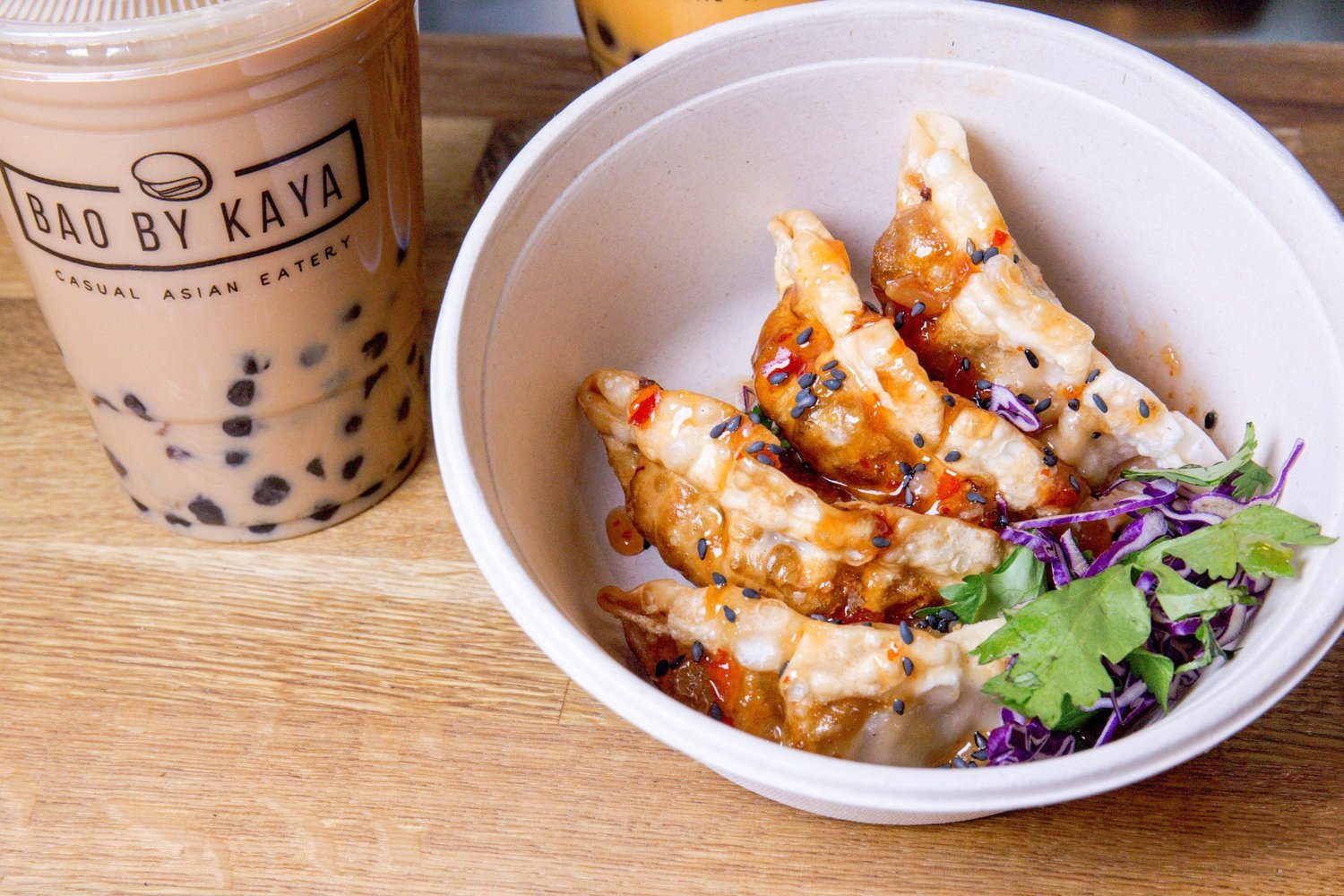
From bustling street food stalls in Taipei to high-end restaurants in New York City, the humble yet irresistible bao bun has embarked on a remarkable journey, captivating taste buds across continents. These pillow-soft, cloud-like steamed buns, often cradling an array of savory or sweet fillings, have transcended their traditional Asian roots to become a global culinary sensation. What was once a cherished family delicacy is now a sought-after dish enjoyed by millions, celebrated for its unique texture and incredible versatility.
The allure of bao buns lies in their delicate balance: a slightly sweet, incredibly fluffy exterior that provides the perfect counterpoint to rich, flavorful fillings. Whether you’re discovering them for the first time or are a long-time aficionado, understanding their origins, the magic behind their perfect texture, and the endless possibilities for customization only deepens the appreciation for these delightful parcels.
The Humble Origins: From Taiwanese Streets to Global Stardom
While often associated with various Asian cuisines, the global rise of the modern bao bun is widely credited to the vibrant street food scene of Taiwan. It's here that the iconic Gua Bao, a steamed bun generously filled with succulent, red-braised pork belly, pickled mustard greens, and a sprinkle of crushed peanuts, gained legendary status. This savory masterpiece quickly became a cornerstone of Taiwanese culinary identity, its popularity radiating outwards to capture the attention of food enthusiasts worldwide.
However, the concept of steamed buns has a much deeper history in mainland China, where similar variations have existed for centuries. Often referred to as "lotus leaf hamburgers" (荷叶夹, héyè jiá), they share a kinship with other ancient steamed bread traditions, such as those found in Shanxi cuisine. These traditional versions, much like their Taiwanese counterparts, serve as a versatile vehicle for a wide array of fillings, from stir-fried vegetables to slow-cooked meats. The distinction often lies in the specific preparation and typical fillings, but the core essence of a soft, steamed dough encasing a delicious center remains universal.
The transformation of bao buns from regional specialty to international sensation has been nothing short of a culinary storm. Chefs and home cooks alike have embraced their unique appeal, experimenting with diverse ingredients and adapting them to local palates. This adaptability is key to their success, allowing them to transcend cultural boundaries and find a place on tables everywhere.
Beyond the Basics: The Anatomy of a Perfect Bao Bun
Achieving that signature pillow-soft, slightly chewy, and impeccably smooth texture in a bao bun is an art form, but one that is surprisingly accessible with the right understanding of its core ingredients. Each component plays a vital role in creating the ultimate steamed bun:
- All-Purpose Flour: The foundation of the bun. For an even lighter, fluffier texture that melts in your mouth, many bakers suggest substituting up to a third of the all-purpose flour with cake flour. This subtle blend contributes to the delicate crumb.
- Yeast: The magical leavening agent responsible for those desirable air bubbles that give bao buns their characteristic fluffiness and softness. Proper yeast activation is paramount for success.
- Cold Water: This might seem counterintuitive, but cold or chilled water (especially in warmer climates above 28°C or 82°F) is a secret weapon. It slows down the yeast's initial activity, giving you more time to work with the dough and shape the buns before over-proofing. This deliberate delay ensures a wonderfully smooth surface on the finished bun, free from pockmarks or uneven textures.
- Oil (Lard, Butter, or Vegetable Cooking Oil): Oil acts as a crucial moisturizing agent in the dough, contributing to both its tenderness and elasticity. Traditionally, lard is favored in Chinese cooking for its rich flavor and ability to produce an incredibly soft texture. However, butter or a neutral vegetable cooking oil are excellent, widely available alternatives that yield fantastic results.
- Sugar: While the final bao bun won't taste sweet (unless intended for a dessert filling), a small amount of sugar is essential. It acts as food for the yeast, boosting its activity and helping the dough rise more vigorously, thus enhancing the bun's overall fluffiness and soft crumb.
Understanding the interplay of these simple ingredients is the first step towards creating Master Pillow-Soft Bao Buns: Your Foolproof Guide to Steamed Perfection right in your own kitchen.
Mastering the Art: A Foolproof Approach to Homemade Bao Buns
The thought of making perfect bao buns at home might seem daunting, conjuring images of intricate dough work and precise steaming. However, modern techniques, particularly the single-proofing method, have made the process incredibly approachable, even for novice bakers. You don't need to be a seasoned dim sum chef to achieve wonderfully fluffy, smooth results.
Streamlined Dough Preparation: The Single-Proofing Advantage
One of the most significant advancements in home bao bun making is the single-proofing method. This technique dramatically simplifies the process, cutting down on time and effort without compromising on quality. Here’s a breakdown of the key steps:
- Activate the Yeast: Begin by dissolving your yeast and sugar in cold water. Let this mixture sit for a few minutes to ensure the yeast is active and ready to work its magic.
- Initial Mix & Knead: Pour the yeast mixture into your flour. If you have a stand mixer, this is where it truly shines, saving immense time and energy while preventing your hand temperature from affecting the dough. Knead for just about a minute until the ingredients are roughly combined.
- Add Oil & Continue Kneading: Incorporate your chosen oil (lard, butter, or vegetable oil) and continue kneading for a more extended period, typically around 10 minutes, using your stand mixer. This extended kneading develops the gluten, crucial for the bao bun's soft yet resilient texture. If kneading by hand, be patient; it will require a bit more effort but is entirely achievable.
- Shaping with Ease: Lightly dust your work surface. Divide the dough into equal portions (typically 6 for standard-sized buns). For each portion, knead it for a couple of minutes until it's very smooth. This step helps create that desirable, uniform surface on the steamed bun. Roll out each smooth piece into an oval shape.
- The Parchment Paper Trick: Place a small piece of parchment paper in the center of your oval dough, then fold one half over the other to create a half-oval shape. The parchment paper acts as a non-stick barrier, preventing the buns from sticking together during proofing and steaming.
Once all your buns are shaped, arrange them in your lined steamer basket, ensuring there's enough space between each for expansion. Now comes the final crucial step: proofing. Cover your steamer with a lid and let the buns proof until they are about 1.5 times their original size. For an optimal proofing environment, especially in cooler kitchens, you can place the steamer in an oven that has been turned off, alongside a cup of hot water. The residual warmth and humidity create the perfect conditions for the yeast to thrive.
A clever way to judge if your dough is adequately proofed is the "water test": drop a small piece of dough (from the excess trimmings) into a cup of room-temperature water. When the dough floats to the top, it indicates that sufficient fermentation has occurred, and your buns are ready for steaming. This foolproof method ensures you never under or over-proof your precious bao buns. For a deeper dive into these simplified techniques, explore our guide on Easy Homemade Bao Buns: Single-Proofing for Fluffy, Smooth Results.
A World of Flavors: Unleashing the Versatility of Bao Bun Fillings
The true magic of bao buns lies not only in their exquisite texture but also in their unparalleled versatility when it comes to fillings. Once you've mastered the art of making the perfect bun, your culinary imagination is the only limit. The subtly sweet, neutral canvas of the steamed bun is designed to complement an astonishing array of flavors, making it suitable for both savory feasts and sweet indulgences.
Traditionally, savory fillings reign supreme. The classic Taiwanese Gua Bao with its red-braised pork belly, pickled mustard greens, and crushed peanuts remains a benchmark. But the possibilities extend far beyond:
Savory Sensations:
- Classic Chinese Fare: Think finely minced pork or chicken, stir-fried with fragrant ginger, garlic, soy sauce, and a touch of sesame oil. Braised beef or succulent duck, shredded and tossed with hoisin sauce, also make for incredible fillings. Even simple, flavorful stir-fried vegetables like mushrooms, bamboo shoots, and carrots can be transformed into a delicious vegetarian option.
- Global Fusion: This is where bao buns truly shine on the international stage. Imagine Korean BBQ bulgogi beef, tender and marinated, nestled within a fluffy bun. Pulled pork, slow-cooked and drenched in smoky BBQ sauce, creates a delightful East-meets-West fusion. Crispy fried chicken, drizzled with a spicy mayo or sriracha, offers a playful, contemporary take. Even a deconstructed cheeseburger, with seasoned ground beef, melted cheese, and a pickle slice, can find its home in a bao bun.
- Vegetarian & Vegan Delights: Beyond stir-fried vegetables, consider fillings like spicy mapo tofu, fragrant mushroom and shiitake duxelles, or even a robust black bean and corn salsa. The neutral bun happily accepts plant-based proteins and vibrant vegetable combinations.
Sweet Indulgences:
- Traditional Treats: Classic sweet fillings include luscious red bean paste, creamy custard, or a delicate taro paste. These offer a comforting and familiar end to any meal or a delightful snack on their own.
- Modern Twists: Experiment with fillings like Nutella and banana, apple pie spiced compote, or even a rich chocolate ganache for a truly decadent dessert bao.
The beauty of bao buns is that they encourage exploration. What was once a special occasion dish, lovingly prepared in bustling family kitchens, can now be a regular feature in your home, offering endless opportunities to experiment with flavors and create memorable meals. Whether you're craving something deeply traditional or an exciting new fusion, the versatile bao bun is ready to deliver a delicious experience.
Conclusion
From its humble beginnings as a beloved street food in Taiwan to its current status as a global culinary phenomenon, the bao bun has proven its universal appeal. Its delicate, pillow-soft texture, combined with its incredible adaptability to a myriad of savory and sweet fillings, makes it a truly unique and cherished dish. While once seen as a complex endeavor, making these delightful steamed buns at home is now more accessible than ever, thanks to simplified, foolproof methods. So, embrace the journey from Taiwan to your table, gather your ingredients, and discover the immense joy and delicious possibilities that come with creating your very own perfect bao buns.
